8 December 2025
When we talk about fertility nutrition, most people immediately think of folate, iron, or prenatal vitamins. But one of the most overlooked foundations of hormonal balance, egg and sperm quality, and a healthy pregnancy is protein.
If you’re trying to conceive, or already pregnant, your body is doing an incredible amount of behind-the-scenes work. And protein is at the centre of almost all of it.
Here’s why getting enough, consistently, is so important:
1. Protein supports healthy hormone production and balance
Your reproductive hormones don’t just appear out of nowhere, they’re built. Protein provides the amino acids needed to make key pregnancy hormones like HCG, oestrogen, and progesterone. These hormones regulate your cycle, support implantation, and help maintain early pregnancy.
Protein also plays a role in transporting hormones and nutrients, helping your body deliver what it needs, where it needs it.
2. It provides essential amino acids for egg and sperm quality
Before conception, protein becomes even more important.
Amino acids such as arginine, glutamine, and glycine are crucial for:
healthy egg maturation
optimal sperm motility and morphology
protection of sperm and egg DNA
improved fertilisation potential
If you’re on a fertility journey, think of protein as part of the “quality control team” supporting stronger, healthier gametes.
3. It’s vital for early embryo development
Protein forms the structural building blocks of every cell in the body. During those early weeks of development—often before you even know you’re pregnant, the embryo is rapidly forming its brain, organs, muscles, and connective tissue.
Adequate protein ensures the foundations are strong and development can progress exactly as it should.
4. It supports maternal + foetal tissue growth during pregnancy
Throughout pregnancy, your uterus, breasts, placenta, and blood volume are all expanding. Meanwhile, your baby is growing at an astonishing rate, especially in the second and third trimesters.
All of this requires a generous supply of protein to support:
maternal tissue growth
placenta development
foetal organ, muscle, and brain development
This is why protein needs naturally increase as pregnancy progresses.
5. Protein helps your body keep up with rising blood volume
By the third trimester, your blood volume has increased by up to 50%. Your body is working overtime to produce red blood cells that can deliver oxygen and nutrients to your growing baby.
Protein provides the building blocks for these red blood cells, helping maintain energy, oxygenation, and stable iron levels throughout pregnancy.
How to get enough protein each day
Aim to include a quality source of protein at every meal. Great options include:
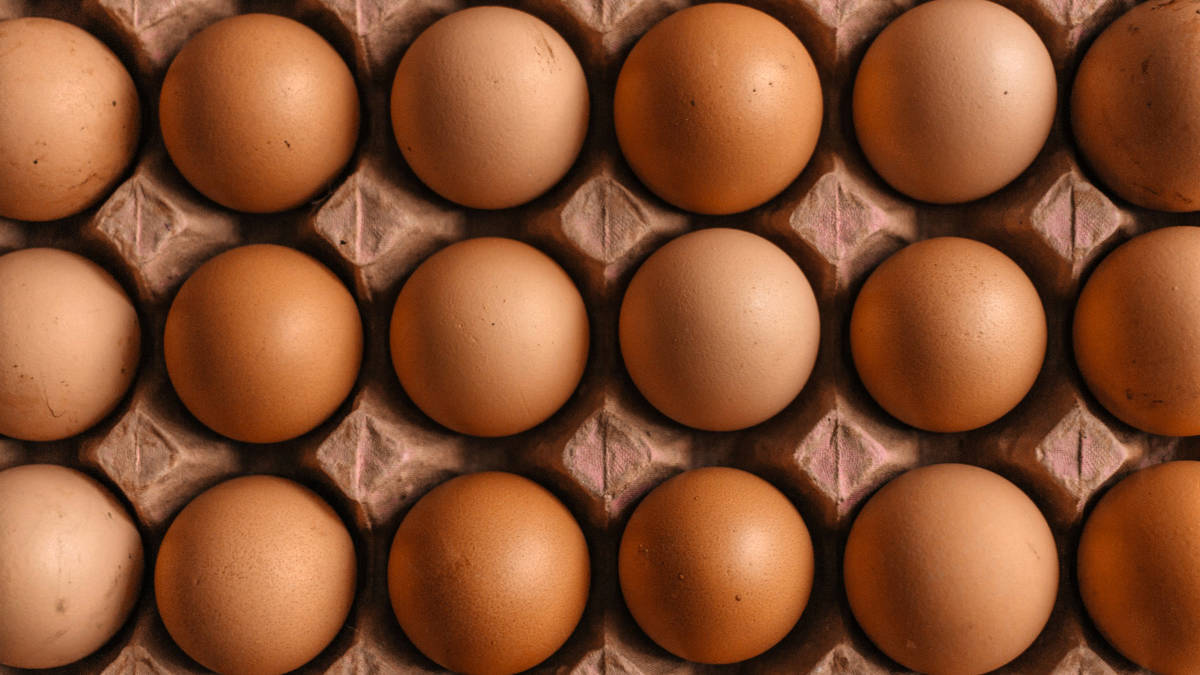
eggs
Greek yoghurt
legumes (lentils, chickpeas, beans)
tofu or tempeh
poultry, lamb, beef (preferably grass-fed)
nuts, seeds, and protein-rich whole grains
Ensuring you’re consistently meeting your protein needs can make a meaningful difference to your hormone health, fertility outcomes, energy levels, and pregnancy wellbeing.